
Summer 2
Literacy
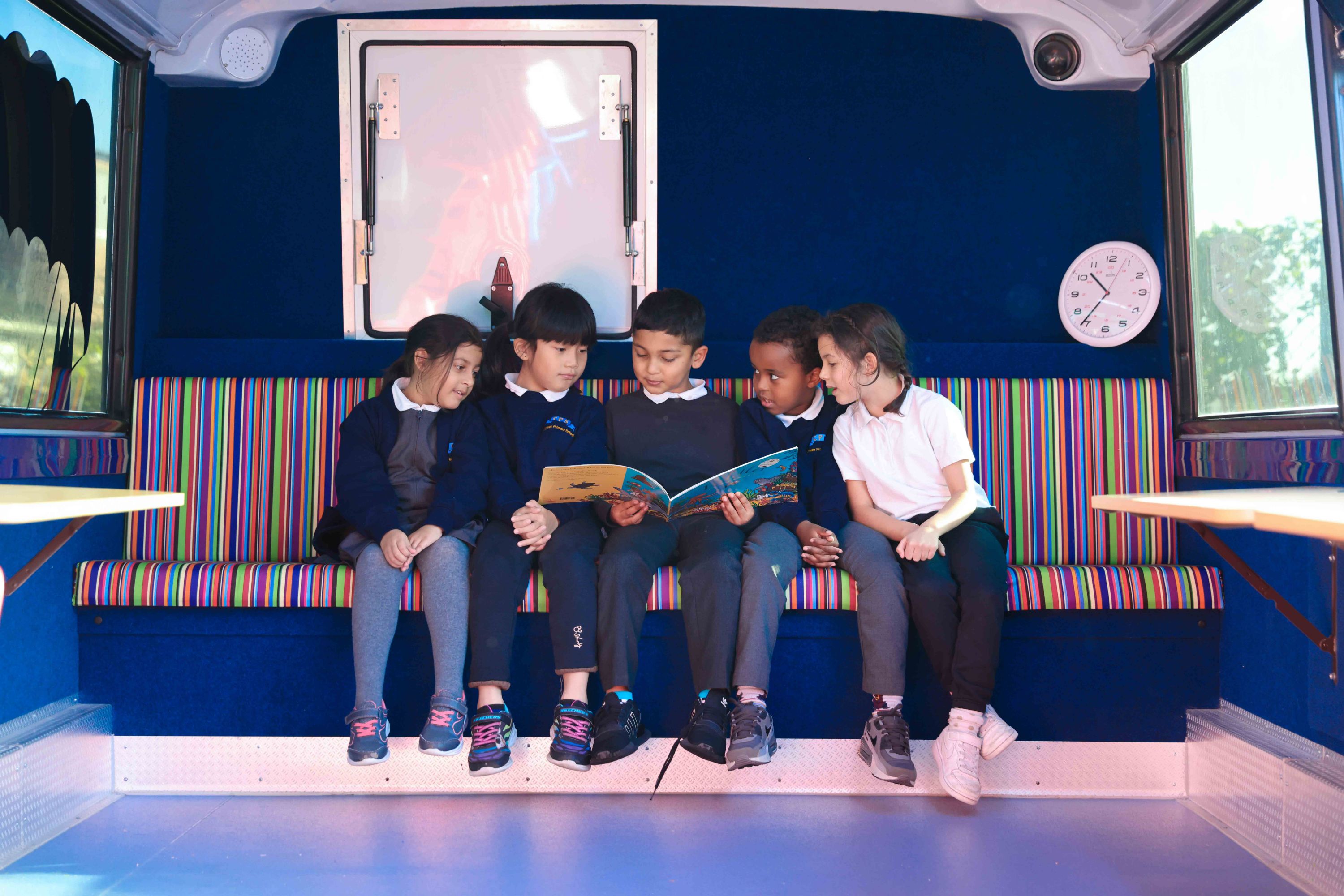
This term in Literacy, Year 5 have thoroughly enjoyed continuing to read their class novels, which have inspired lots of discussion, imagination and enthusiasm for reading. Each class has been immersed in a different book:
-
5CB - Kensukes Kingdom
-
5I - Harry Potter and the Chamber of Secrets
-
5A - Stormbreaker
-
5M - Boy in the back of the classroom
The children have explored their class texts by writing detailed character descriptions and thoughtful diary entries from the perspective of key characters. It has been wonderful to see their creativity and confidence as writers develop throughout the term. We are incredibly proud of the effort and enthusiasm shown by all our Year 5 children.


Sports Day
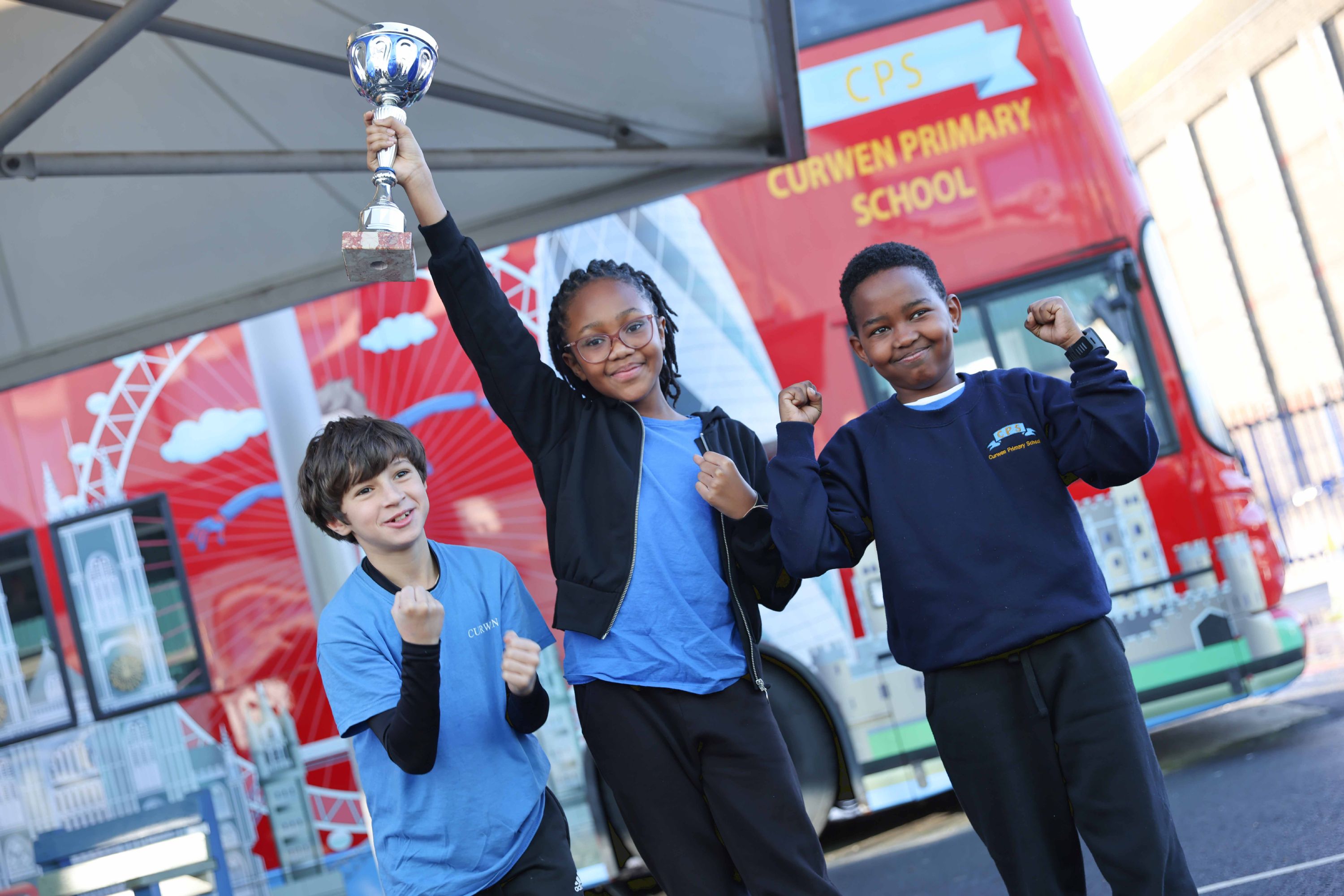
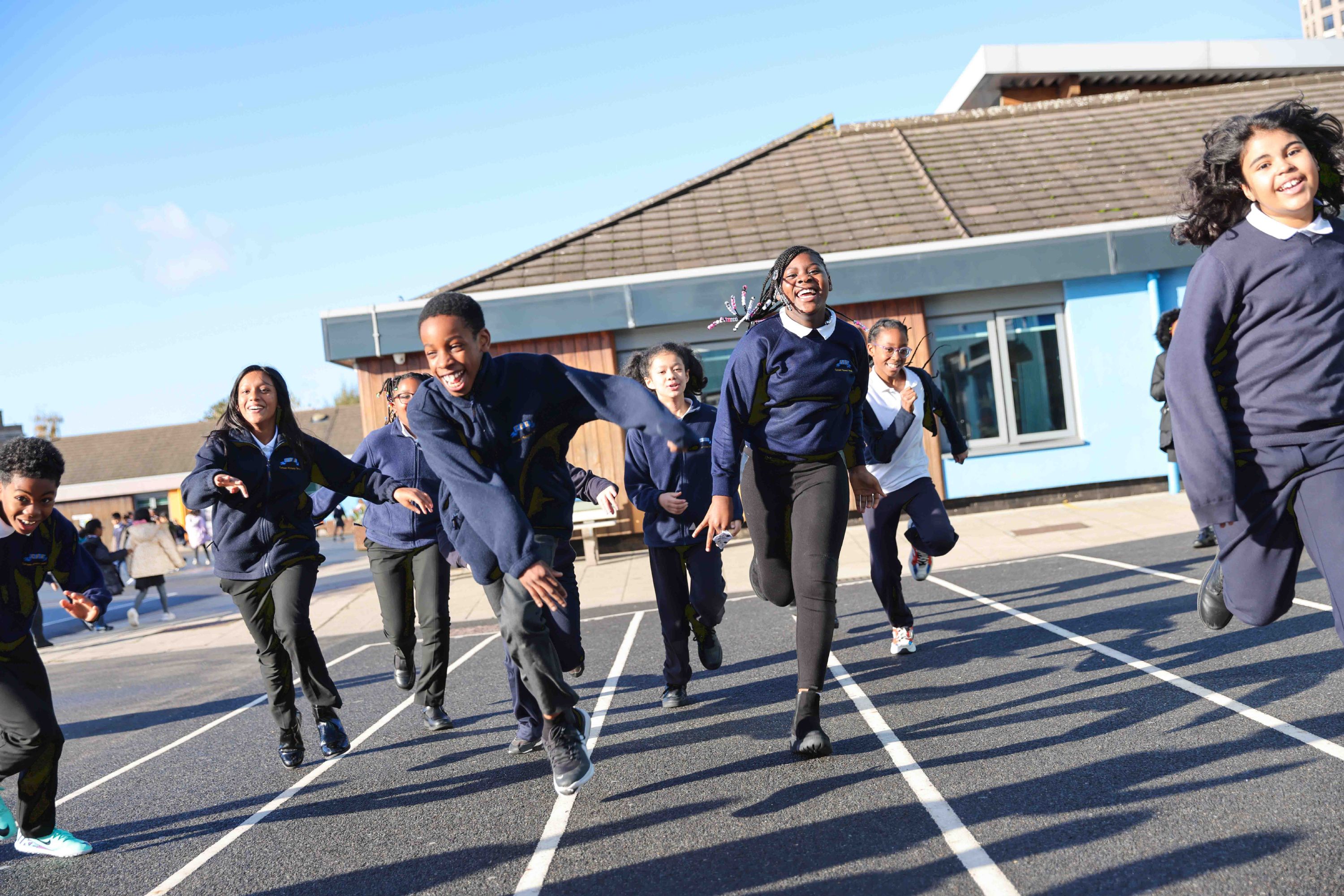
This summer term, Sports Day proved to be a fantastic day! Our Year 5 pupils shone with brilliant sportsmanship and energy, tackling the exciting egg and spoon race, showing off their nimble footwork in the obstacle courses and football skills stations, and sprinting to the finish in the relay races. A muscle-powering tug of war brought an extra burst of excitement, and it was lovely seeing the parents getting involved in all events and cheering everyone on from the sidelines. Huge congratulations go to all the children for their incredible team spirit, with a big thank you to all the families who supported the event!


Year 5 Triathlon
Year 5 students experienced an inclusive, non-competitive mini-triathlon at Newham Leisure Centre. Guided by the Brownlee Foundation, they completed a 3-part course consisting of a pool swim, a grass cycle, and a final run, finishing to cheers to receive a medal and a goody bag! The day provided a fantastic climax to our family sports week, it was wonderful to see the resilience of all the students shining brightly!


Maths
After a successful week of completing their assessments, this term in maths, Year 5 learned about coordinates, reflection, rotation and translation. They plot coordinates on four quadrant graphs which involved negative numbers. To grasp the trickiness of rotation, they first used cut out shapes on large graph paper, before then moving onto rotating them on worksheets.