Autumn 2
Please enter an introduction for your blog post here.
Literacy.
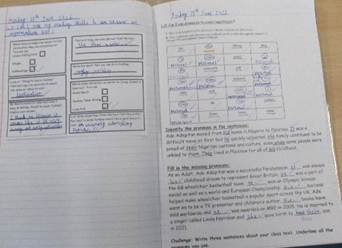
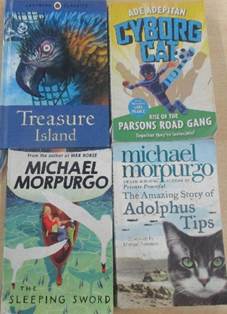
This term in literacy, we have been researching our local area to write a non-chronological report all about Newham. First, we learnt about the different features of non-chronological reports and then used our teamwork skills to research different aspects of Newham. We applied our knowledge about reports into our writing and then edited and improved our writing to create a final draft. Each class has also begun reading our first whole class text; Adolphus Tips by Michael Morpurgo, Cyborg Cat: Rise of the Parsons Road Gangby Ade Adepitan, The Sleeping Sword by Michael Morpurgo, and The BFG by Roald Dahl. In our reading lessons we have been learning to read with fluency and expression, as well as practising our prediction skills and writing character descriptions.


Maths
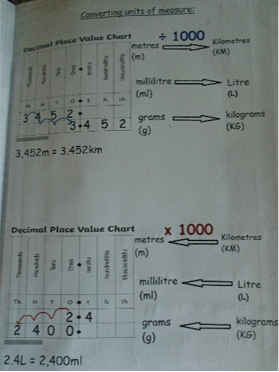
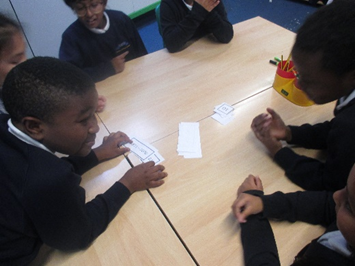
In maths, we have been focusing on place value. This has included how to round a number to the nearest 10, 100 or 1,000, multiplying and dividing numbers by 10, 100 and 1,000, and finding different ways to represent numbers. We have begun to look in more depth at estimating. We used our place value knowledge to develop strategies for estimating amounts and have been having different competitions to see who can make the most accurate estimates. The times table are really important in Year 4 so we spent some time looking for patterns and making connections between the different times tables. We had to be resilient when looking at different types of challenges and questions in lessons.


Topic


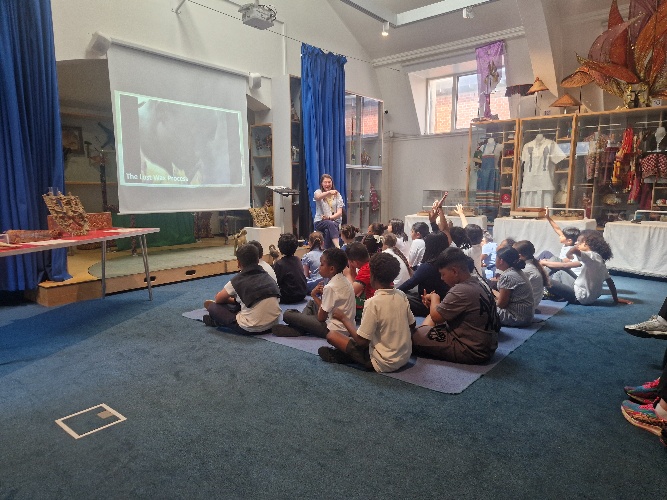
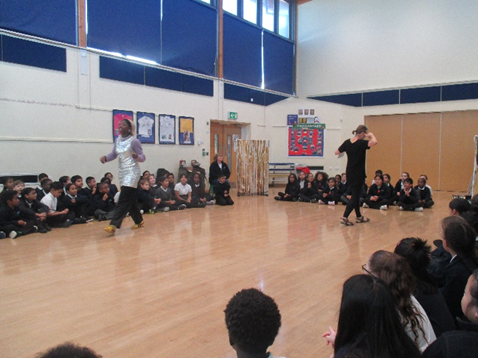
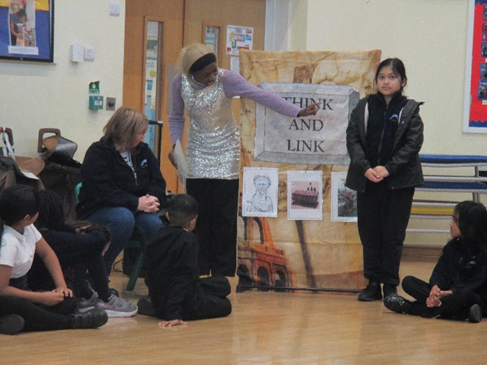
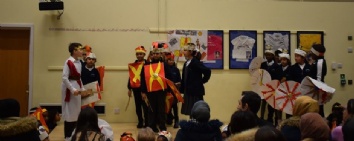
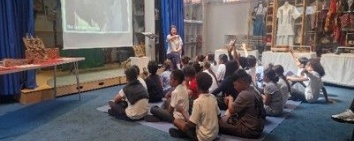
During our history topic, year 4 have been studying the Romans. We have used our history skills to place key events on a timeline and come up with different questions we would like to find the answers to. We have also learned about the origins of Rome and began to look at features of Roman society. We enjoyed a Roman Theatre Show at the end of term delivered by the Freshwater Drama Company. This included a Roman show for us to watch and two workshops about what life was like in Roman Britain. In art, we looked at Roman mosaics and designed and made our own. In computing, we used our teamwork skills to create presentations about the Romans. This was done in groups with every member of the team in charge of a different slide.
Please enter an introduction for your blog post here.
Literacy
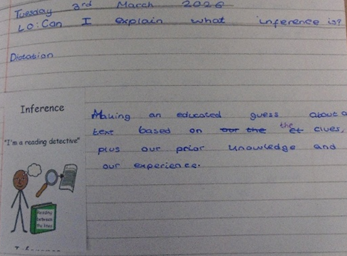
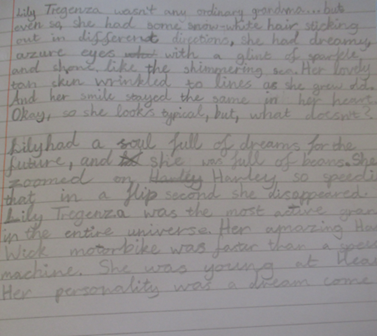
In literacy this half term we have continued to read different class texts. We have focused on our inference skills this term. During literacy lessons and in Storytime we have thought about different inference questions whilst reading. In grammar we have been recapping different word class and learnt that some words, such as dance, can be different word classes depending on the sentence. In our writing lessons we have written character descriptions and diary entries based on our class texts.

Maths
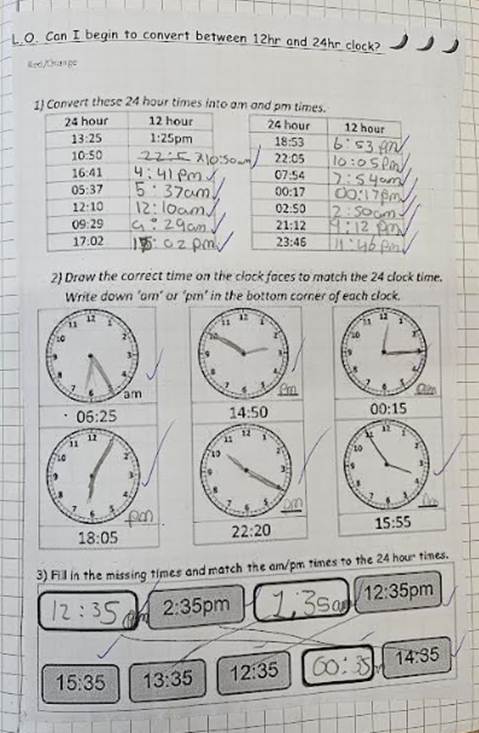
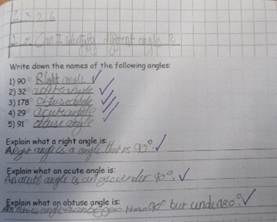
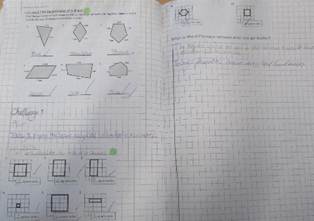
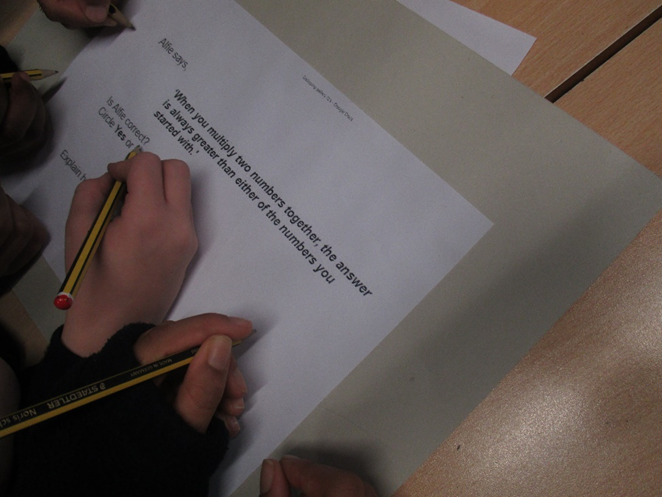
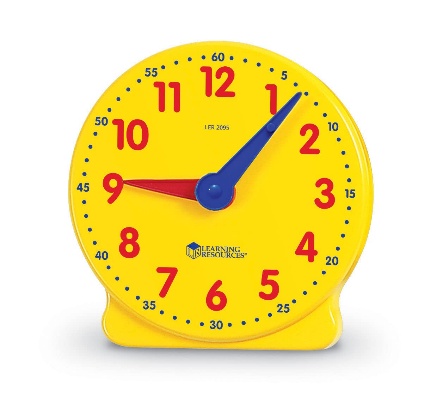
In maths we have learnt about shape. We recapped different 2D shapes and discussed the difference between regular and irregular shapes. Then we learnt about different types of angles. We learnt about an angle we hadn’t been taught before, a reflex angle. Later in the term we looked at interpreting different types of data including bar charts and pictograms. One of the most important things when reading data is to remember to look at the key. Finally, we moved on to learning how to tell the time. We learnt about analogue and digital time and began to look at the 24-hour clock.

Topic
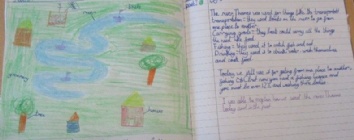
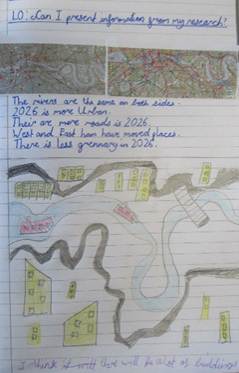
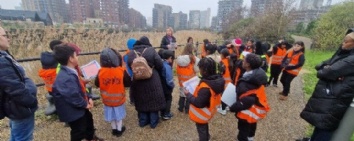
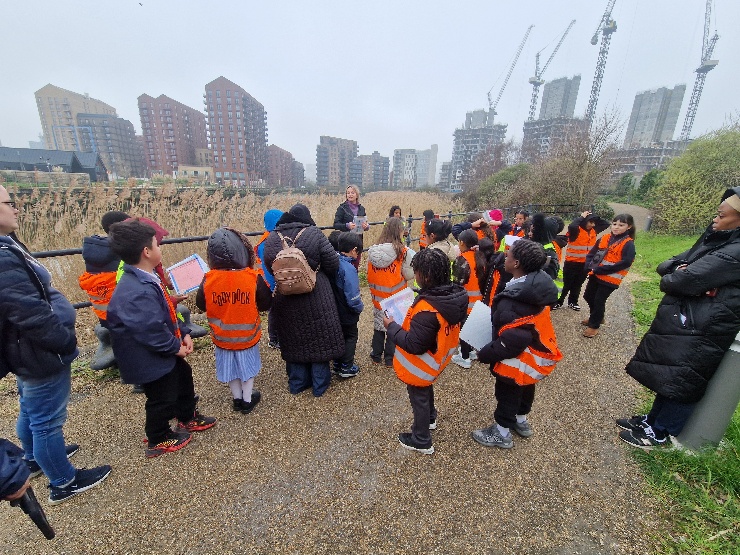
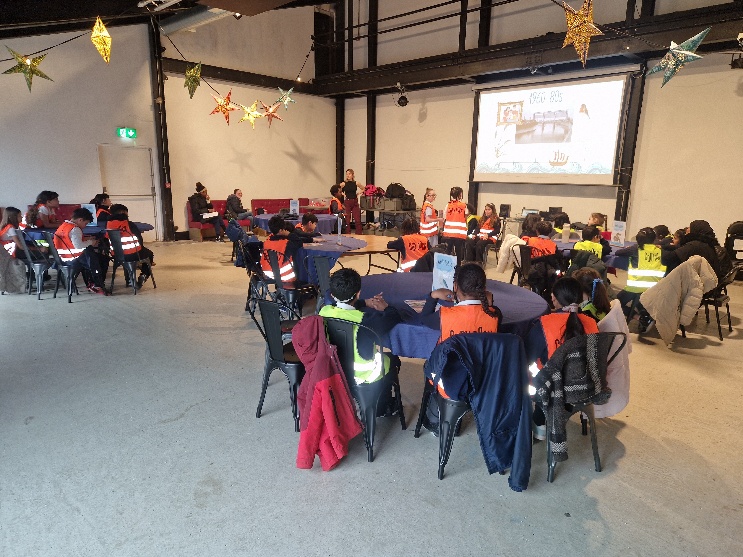
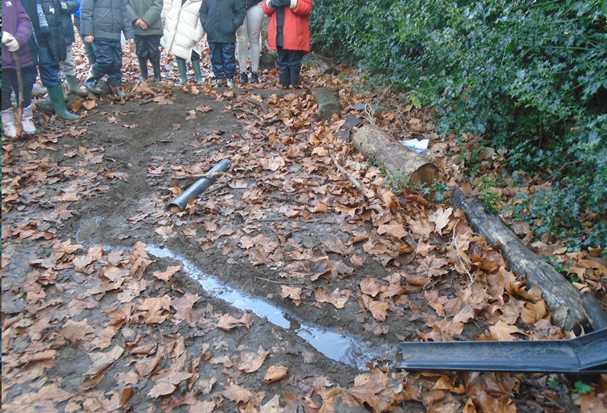
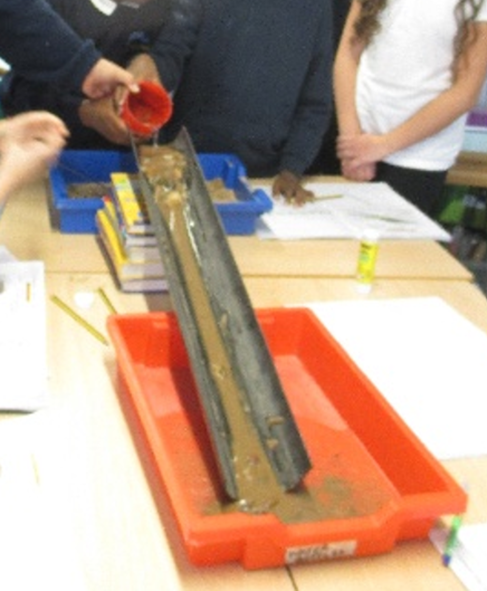
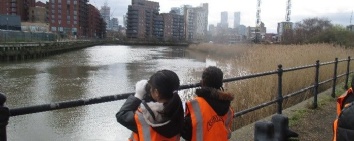
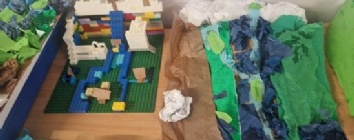
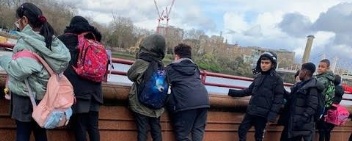
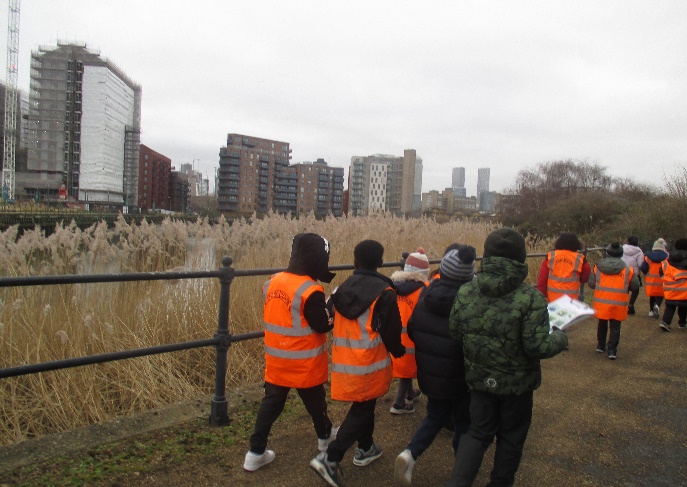
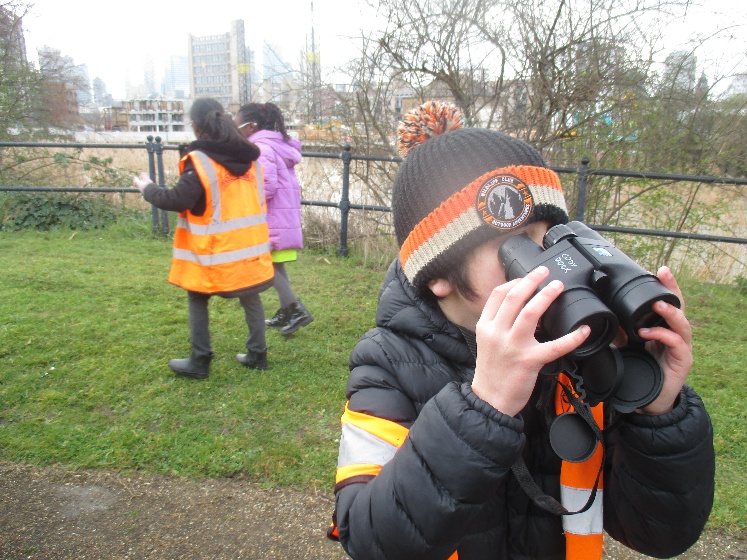
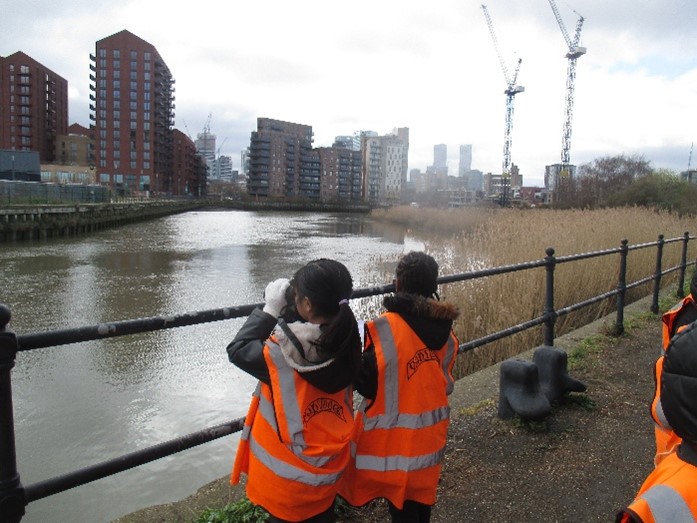
In our geography topic, Year 4 have been learning about Rivers. We visited the River Lea as a part of our geography topic on rivers. We learnt about where rives begin and end as well as some of the wildlife that use rivers. We also learnt that the River Lea is a tributary river as it flows into the River Thames. We collected data about the wildlife found along the River Lea. However, we also shocked about the amount of litter we found. When we came back to school, we thought about what we want the River Lea and Cody Dock to look like in the future and came up with a plan of action.

Literacy
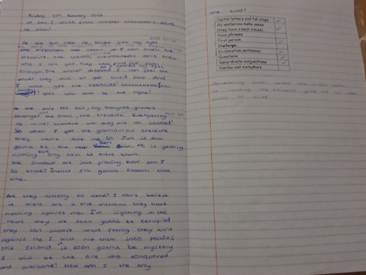
In literacy we have been writing stories about a gladiator battle. We applied our learning in History about ancient Rome to be able to create an exciting narrative to engage the reader! First of all, we planned our story, then we wrote the story in the 1st person, as if we were entering the Amphitheatre, ready to face the gladiator. In our description, we used lots of literary features, such as similes and alliteration and tried to describe all of our senses. Innovation was the most important core skill we use as we explored ambitious vocabulary and literary features to make our writing interesting and effective.
Maths

This term we looked at dividing numbers and were introduced to using the bus stop method (compact method) to help us successfully divide larger numbers and to solve tricky division problems. We learnt that a remainder is what is left over when a number cannot be split equally into groups and practised applying this knowledge to solve reasoning problems. We also began looking at fractions by understanding how many fractions make a whole and how to find equivalent fractions. We learnt to apply the rule “the bigger the denominator, the smaller the fraction” when comparing the size of unit fractions. We used our teamwork skills when we worked with our partners to consolidate new concepts.
Topic
Year 4 have continued to investigate the Romans throughout history lessons this term. We have been building on the initial research and knowledge gained from last term and looked in more depth at the impact the Romans had on Britain. We even invade each other’s classrooms to help us understand what an invasion would feel like. We explored what made them such a successful empire and how they came to dominate Europe and parts of Asia and north Africa. We have focused on the Curwen Core Skill of empathy, thinking about how different people might have felt about the Roman invasion. During computing lessons, we researched Boudicca, our significant person for this half term and created a presentation about her on Google Slides.

Literacy.
This term in literacy, we have been researching our local area to write a non-chronological report all about Newham. We learnt about the different features of non-chronological reports and then used our teamwork skills to research different aspects of Newham. We applied our knowledge about reports into our writing and then edited and improved our writing to create a final draft. We have also begun reading our first whole class text (Adolphus Tips – Michael Morpurgo, Cyborg Cat: Rise of the Parsons Road Gang- Ade Adepitan, The Sleeping Sword- Michael Morpurgo, Treasure Island- Robert Louis Stevenson).

Maths
In maths, we have been learning all about place value. This has included how to round a number to the nearest 10, 100 or 1,000. We have also learnt how to multiply and divide numbers by 10, 100 and 1,000, using a place value chart to support our learning. We had to be resilient when looking at different types of challenges and questions in lessons.

Topic
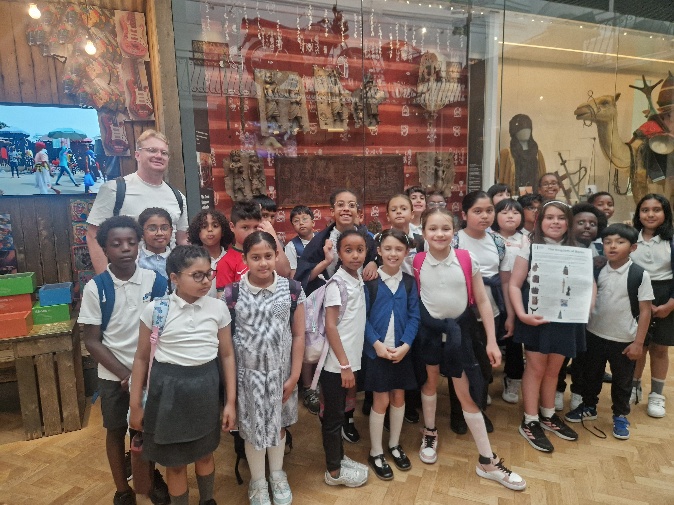
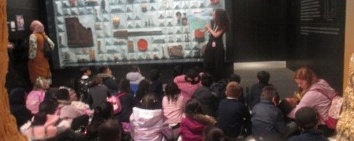
During topic, year 4 have been studying Roman history. So far we have learned about the origins of Rome as well as looked at chronological order by placing key events on a timeline. We have also learned about the beginnings of Rome and features of Roman society. We got to see the remains of a Roman temple in the Mithraeum and experience what happened in Roman temples by listening to some of the Latin chanting that used to happen during Roman times in London Mithreum. We used our innovation skills to recreate what happened in the amphitheatres and to present some of the facts we learnt.

Literacy
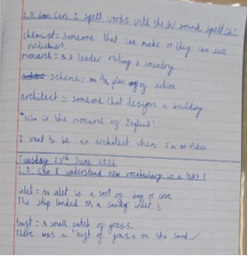
During Literacy, we have continued to finish our final class text and explored writing our own narrative, retelling the story from a different character’s perspective using the first person. This has helped us gain a deeper understanding of the books we are reading and the characters' feelings throughout. In spelling, we have been learning about words with Greek or French origin and how this affects the spelling of the word in the English language. During Grammar lessons, we have been learning more about phrases, clauses and subject verb agreement to improve our writing overall. Finally, year 4 completed their trips to Plaistow Library and have begun the Summer Reading Challenge! This trip featured a surprise appearance from West Ham Football Club, who have promised a football signed by the entire Cup winning West Ham Team to whichever school in Newham manages to read the most books!
Maths
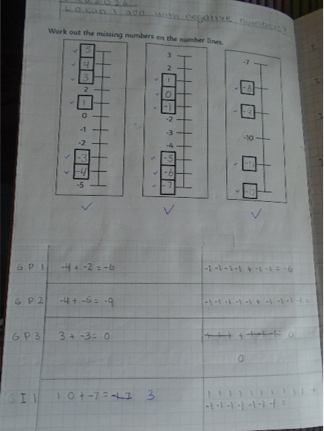
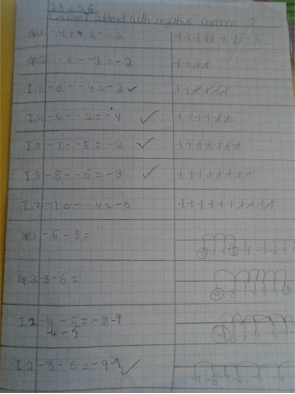
This term in maths, we have been recapping our basic skills using the four operations to help us solve single and multistep reasoning questions. We have also learnt how to use and recognise Roman numerals up to 100, and recognised positive and negative numbers on a number line. We then used this knowledge of positive and negative numbers to add and subtract them in reasoning style questions. We have previously learnt how to round whole numbers, and we used the same rule: “5 or more, let it soar. 4 or less, let it rest” to help us round decimal numbers to 1 and 2 decimal places. This taught us how to make more accurate estimations- especially when estimating amounts of money.

Topic
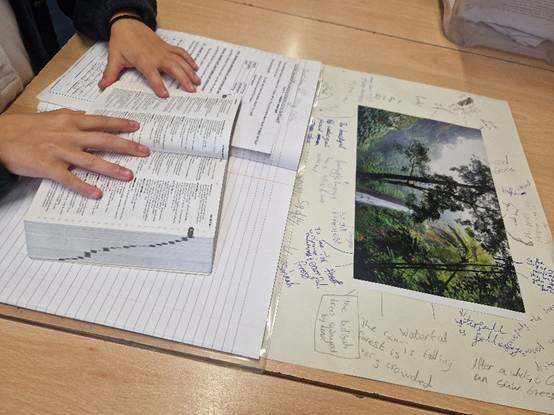
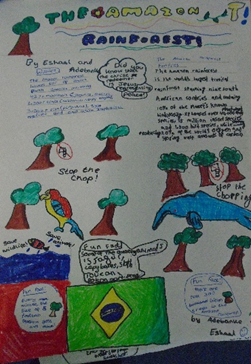
This term we have been learning about the Amazon. We began by recapping what we learned about South America during International Week and discovering more physical and human features of both North and South America. Once we had located these on a map, we moved onto comparing the Amazon River with the River Thames. Although the Amazon River is much, much bigger, we were surprised to discover that the River Thames is one of the cleanest rivers in the world! Both rivers are vital habitats for an abundance of wildlife. Finally, we looked at the environmental issue of deforestation. We learned about the impact it is having in the Amazon Rainforest and across the world. We debated whether it is the most important environmental issue in the world right now. Each class held a debate about whether deforestation is the most important environmental issue in the world or of there are more pressing environmental issues that need to be addressed.