Year 3 Spring 2 – Topic update
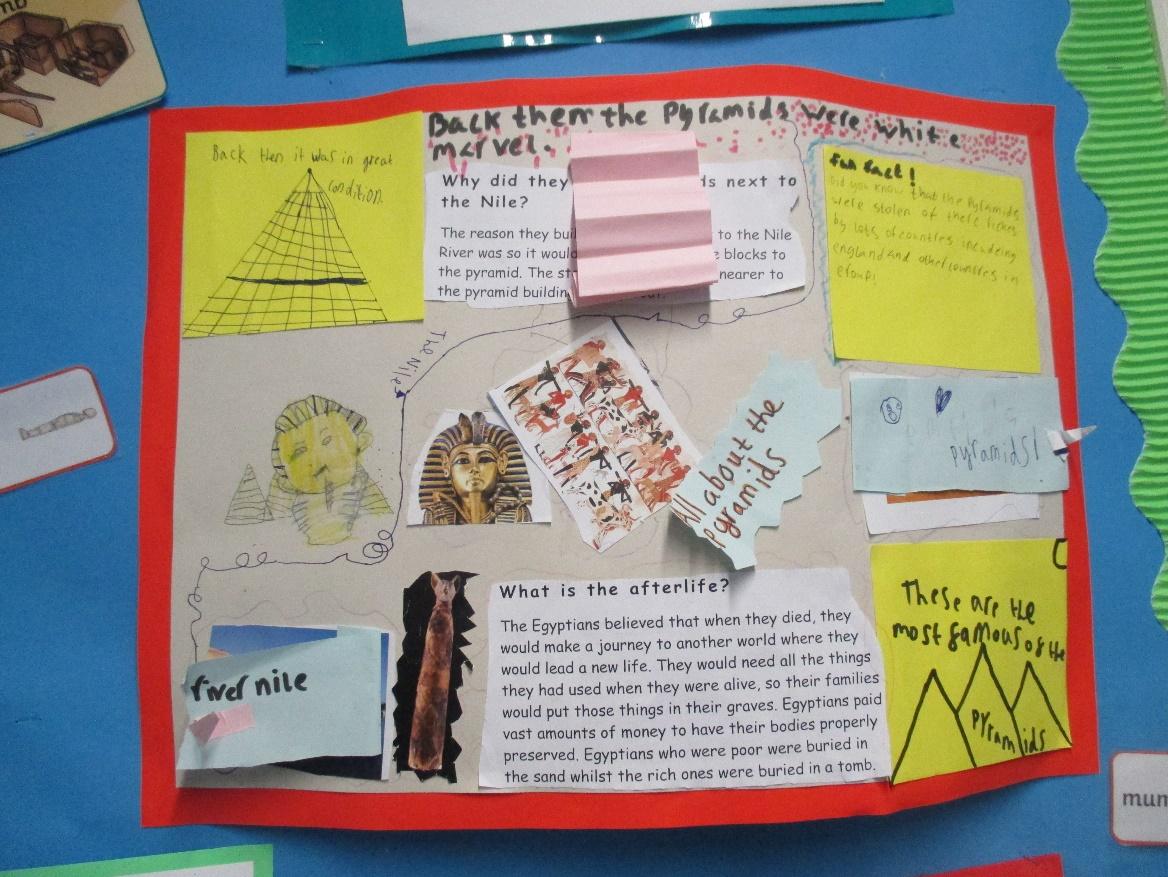
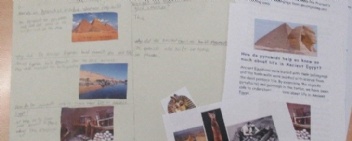
In Topic we have been learning about Ancient Egypt. We learnt that the civilization of Ancient Egypt began about 5,000 years ago and have ordered key events on a timeline. We have also had lots of fun learning about the River Nile, the Pyramids of Giza and the hierarchy of Ancient Egypt.
We also learned about the significance of the River Nile in helping Ancient Egypt to flourish, and made links to our work in science about rock formation when exploring the pyramids.
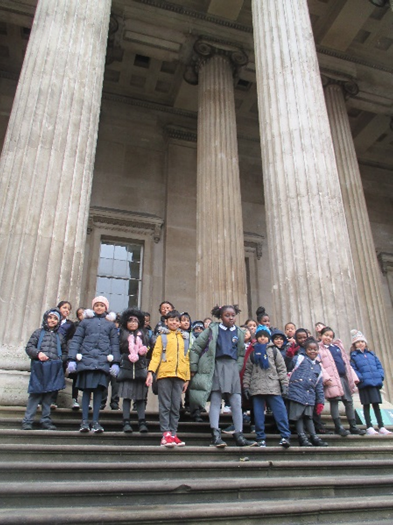
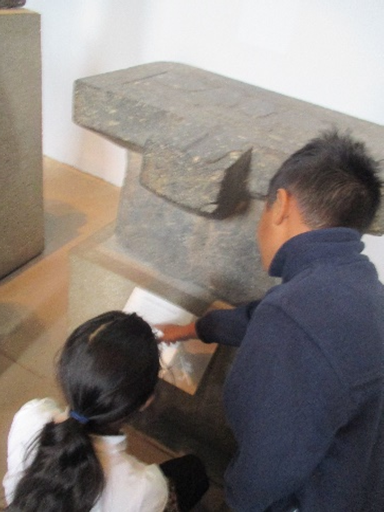
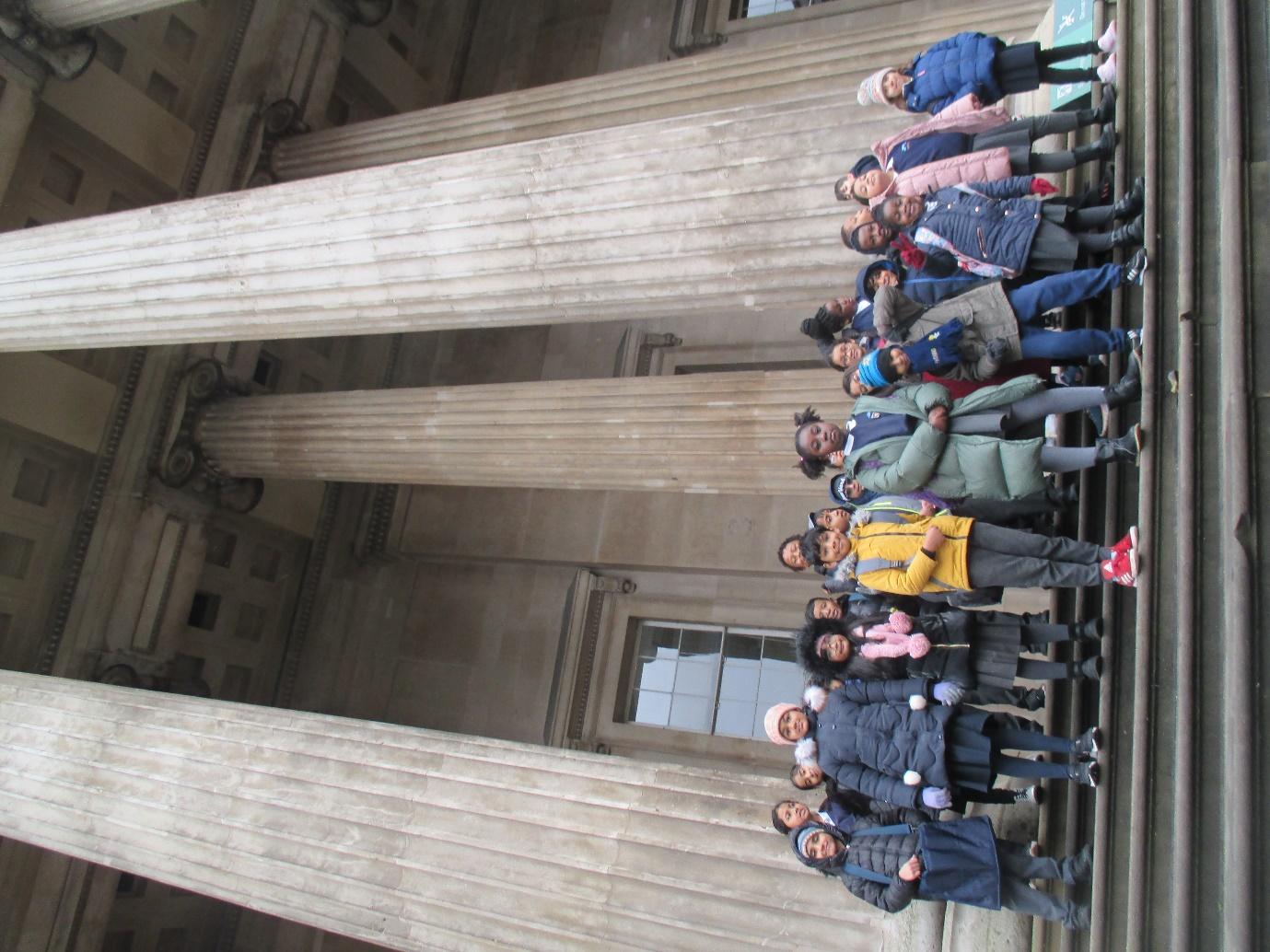
We created our own fact files and enriched our learning with a trip to the British Museum to see Ancient Egyptian artefacts.
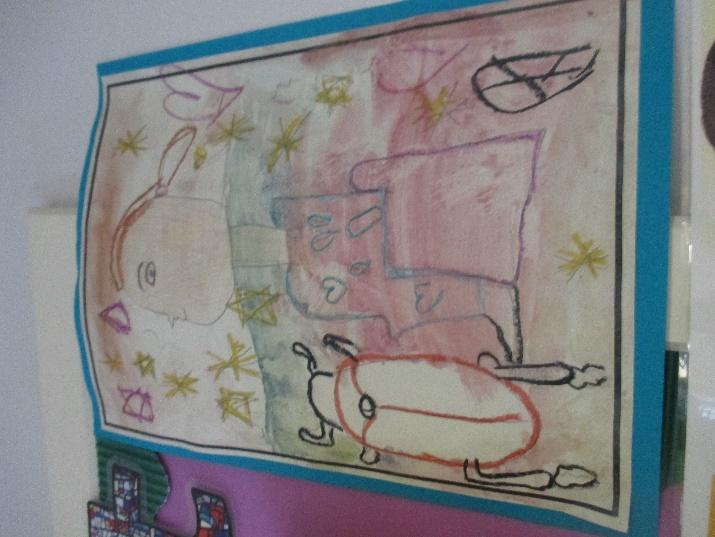
The artefacts were used as an inspiration in our Art lessons, where we drew sections of the artefacts with a view finder. We also learned about contemporary Egyptian artist Reda Abdel Rahman whose work mimics the Ancient Egyptians imagery.
Maths Website Update – Spring 2
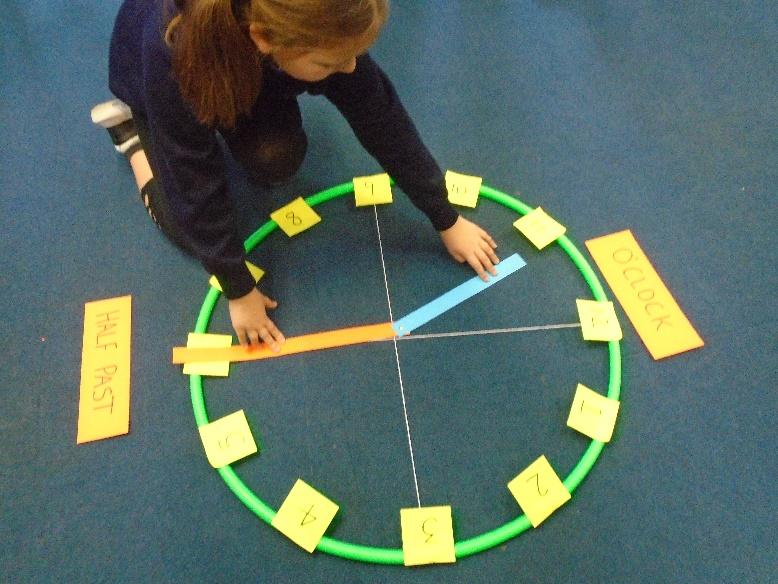
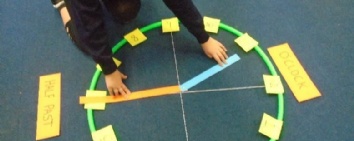
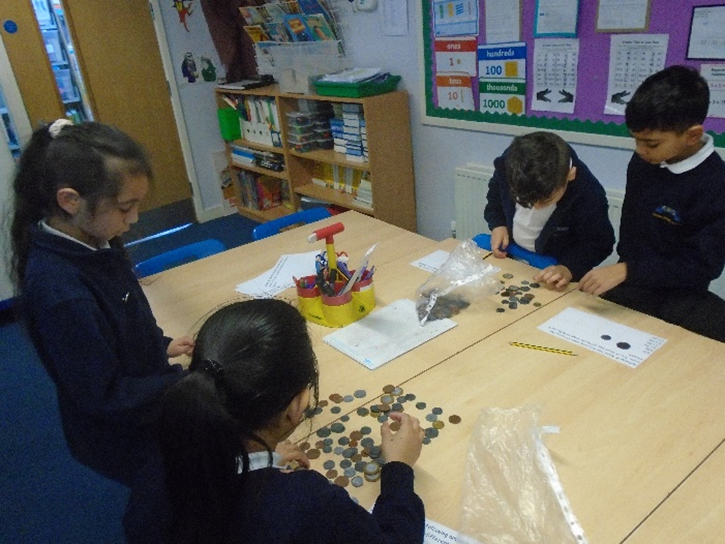
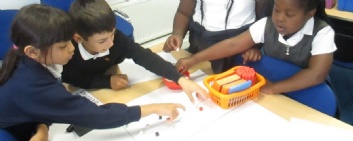
The ability to read and understand the time is an important life skill in modern society. Therefore, in our maths lessons this half-term, we have been working on developing our knowledge and understanding of time. Through interactive games and independent activities, we explored telling the analogue and digital time both past the hour and to the next hour. We also started solving simple problems related to time durations where we had to work out how much time has elapsed between two events.
Year 3 Literacy website update Spring 2
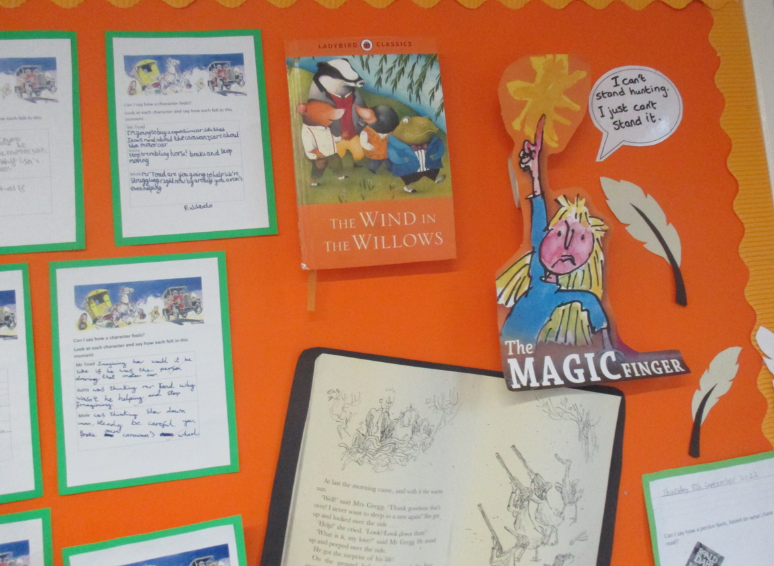
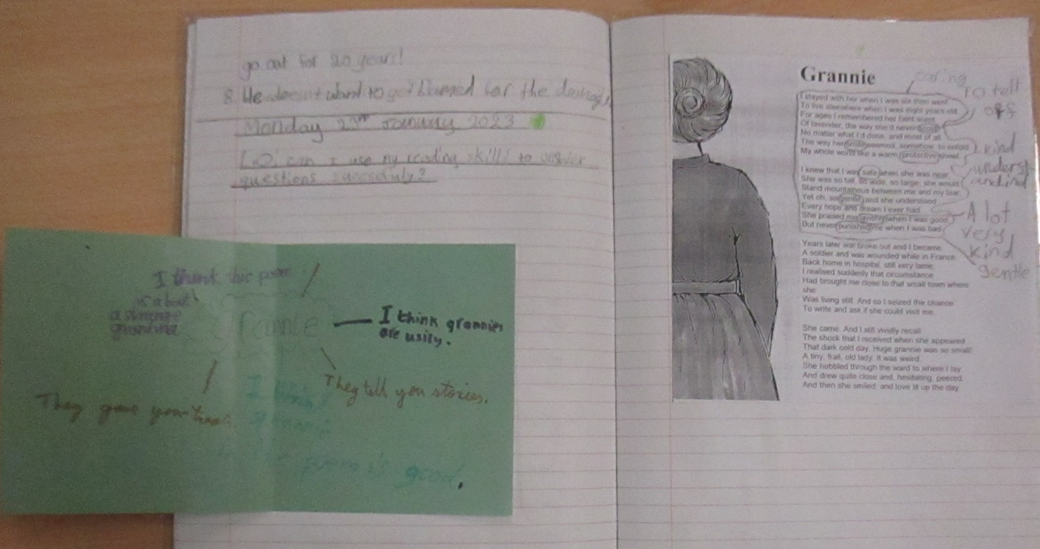
During Guided Reading, Year 3 has been reading books such as Wind in the Willows and The Magic Finger. We have discussed themes of friendship, revenge, forgiveness. We have looked at the relationships which children have shared with their grown-ups.
In the main, the children have enjoyed reading aloud to the whole class, and the good news is that they are able to measure their progress over time.

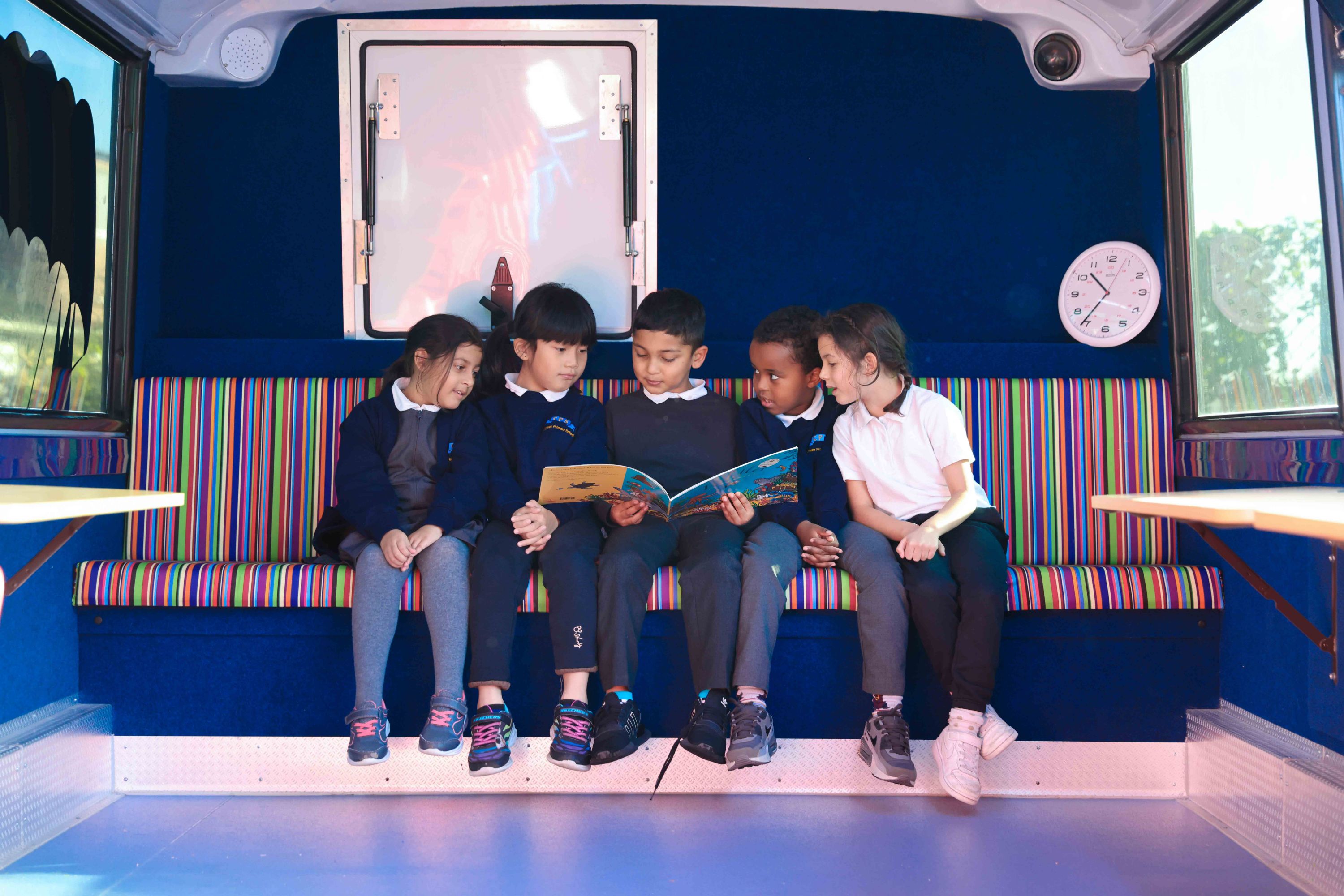
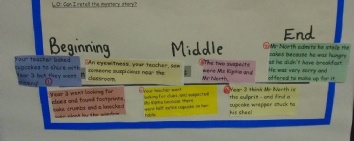
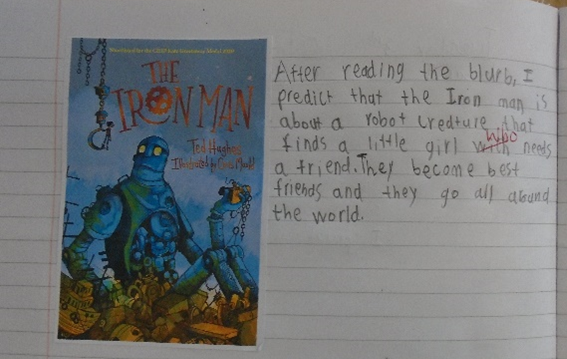
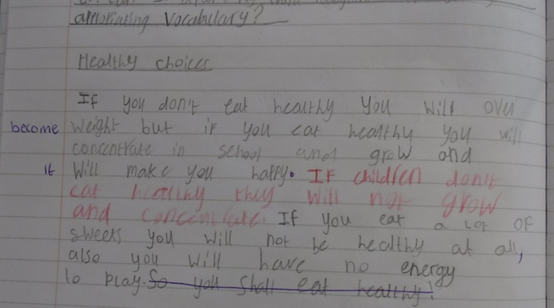
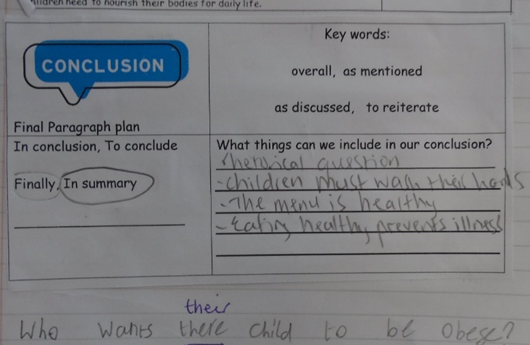
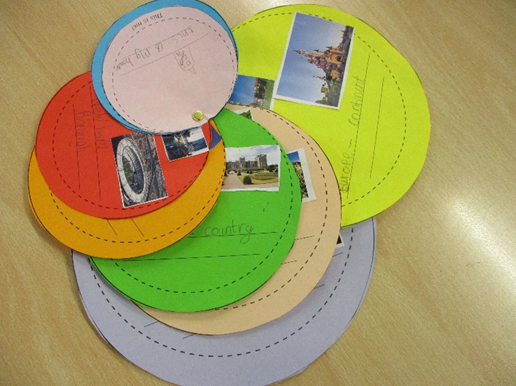
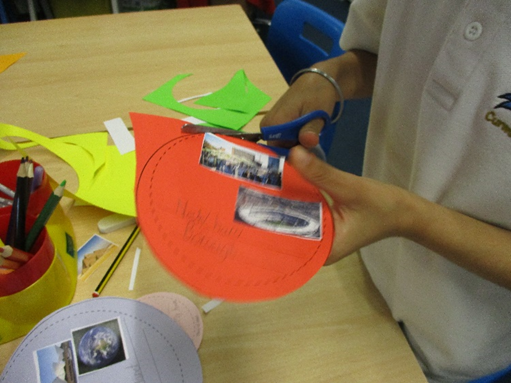
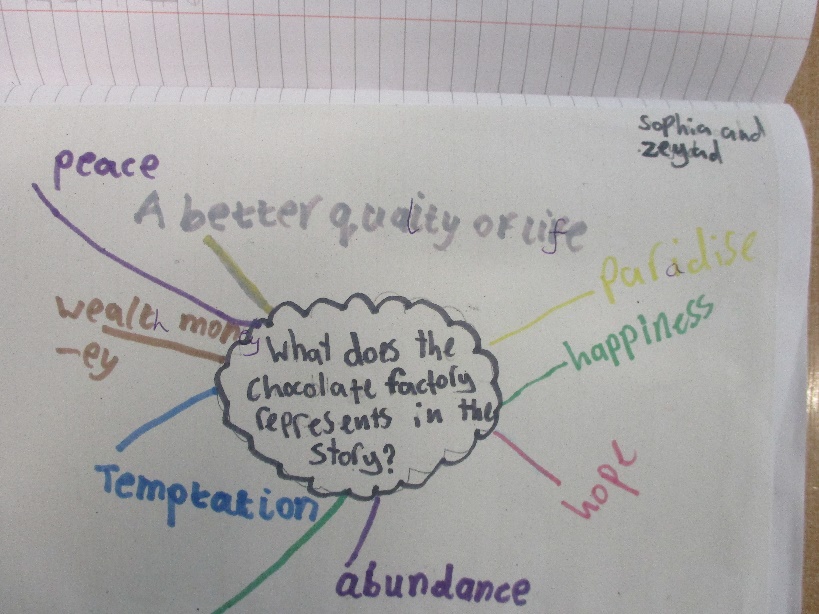 In Literacy this term, we have been exploring a number of skills using the class text to support our learning. The first is the idea of representation where the children discuss what different places or objects could symbolise in a story or what it could mean to the characters. One example is the chocolate factory in Charlie and the Chocolate Factory. Students talked about a range of things that the factory could represent.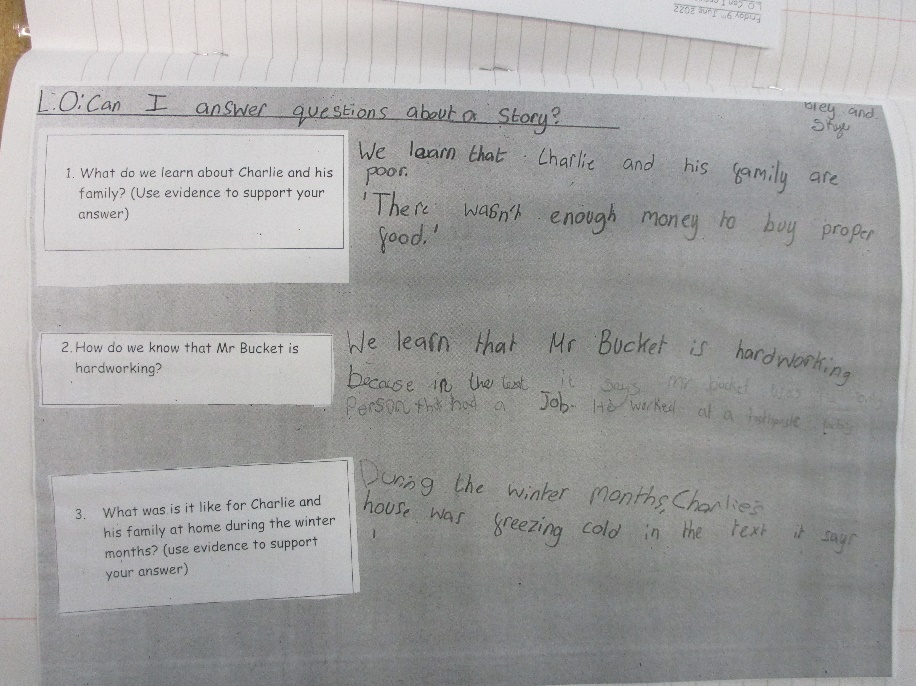
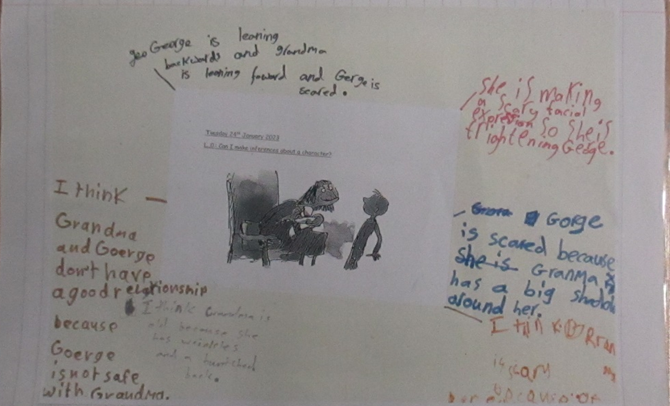
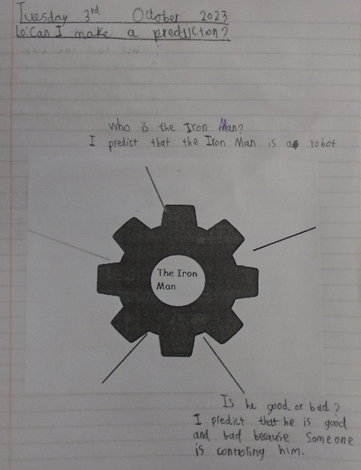
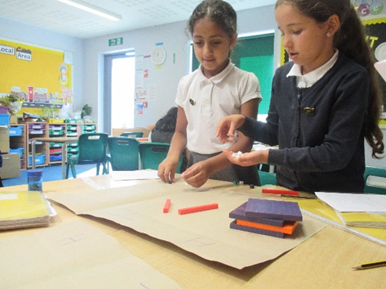
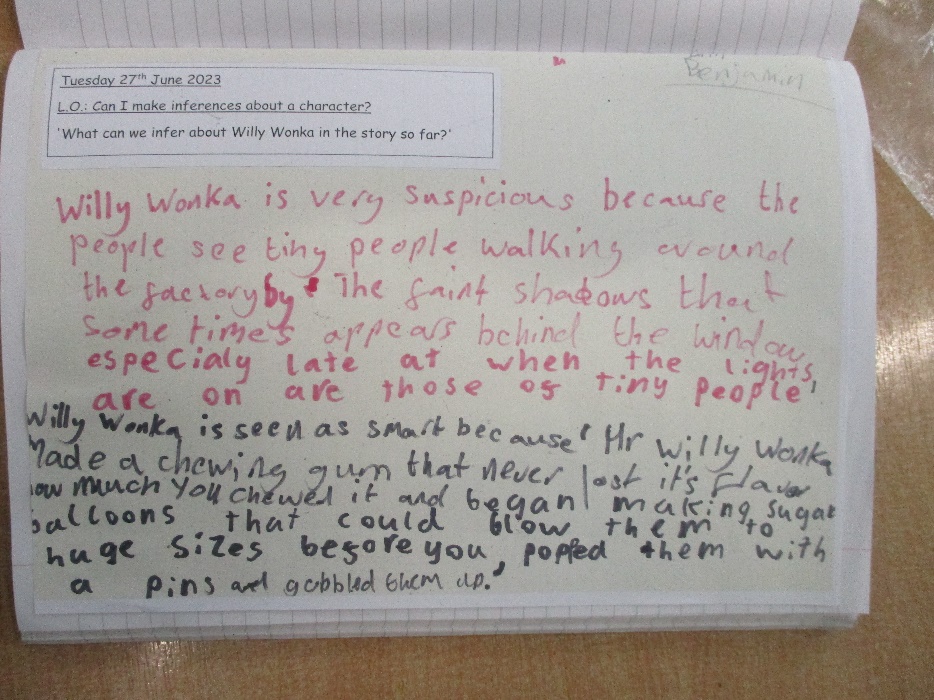 Lastly, the children have also been working on making inferences, not just about a story but also about a character based on what we know about them. To explore this, students have been engaging in shared writing in pairs.